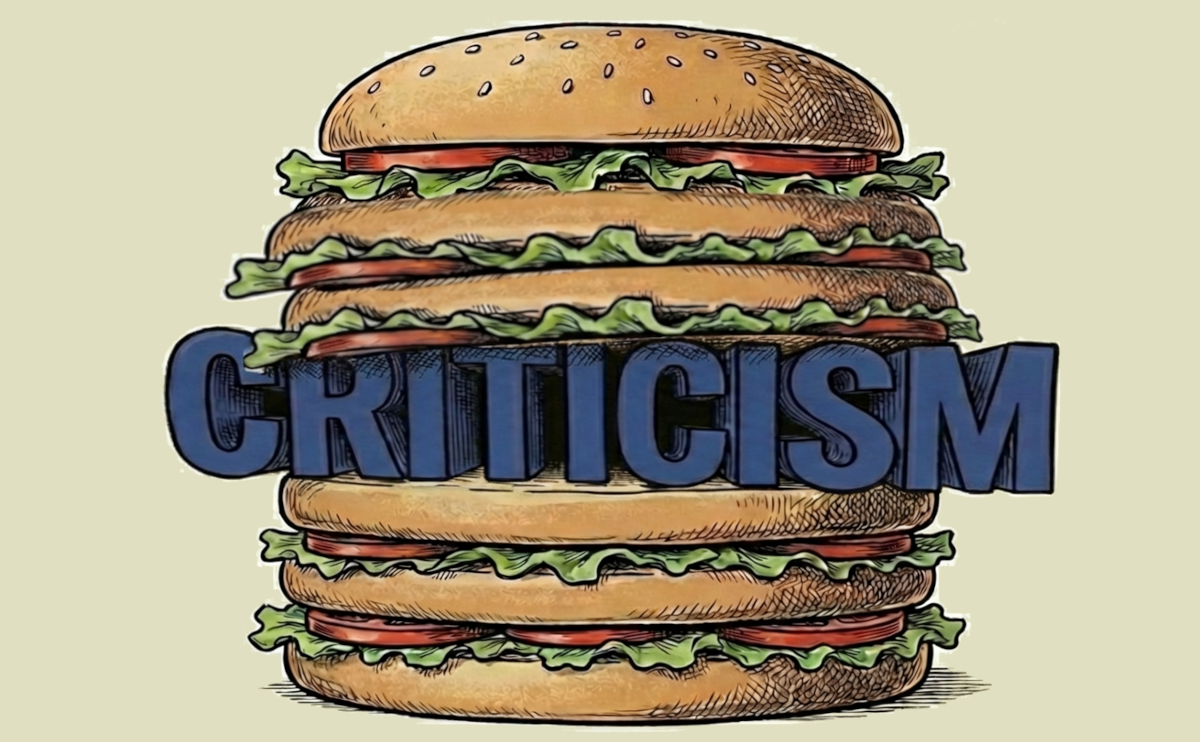
Most managers know the drill. You have difficult feedback to deliver, so you reach for the classic management tool: the “sh*t sandwich.”
Thanks for all the effort you put into your work.
However, the project is wrong for the following 15 reasons…
But thank you for listening, I know you’re always open to feedback.
The problem with this example is that the positive feedback is not specific and the ratio of praise to criticism is only correlated to medium-performing teams.
You need more bread.
The Data on Performance
Researchers Emily Heaphy and Marcial Losada conducted an extensive analysis of 60 strategic-business-unit leadership teams at a large information-processing company. They measured “effectiveness” through outcome metrics: financial performance, customer satisfaction, and 360-degree feedback ratings.
They recorded the verbal interactions among these teams, specifically coding comments as positive (supportive, encouraging, appreciative) or negative (disapproving, sarcastic, cynical). The differences between the tiers were stark.
- Low-performing teams: They averaged 0.36 positive comments for every negative one. Negativity dominated the conversation three-to-one.
- Medium-performing teams: They managed a 1.9 to 1 ratio. This is essentially the “sh*t sandwich” ratio. They were functioning, but not excelling.
- High-performing teams: The best teams maintained a ratio of 5.6 positive comments for every negative one.

To get the highest performance, you don’t need two slices of bread. You need nearly six.
Why this Ratio Works
This 5.6:1 ratio isn’t about coddling people. It works based on these principles:
1. The Negativity Bias
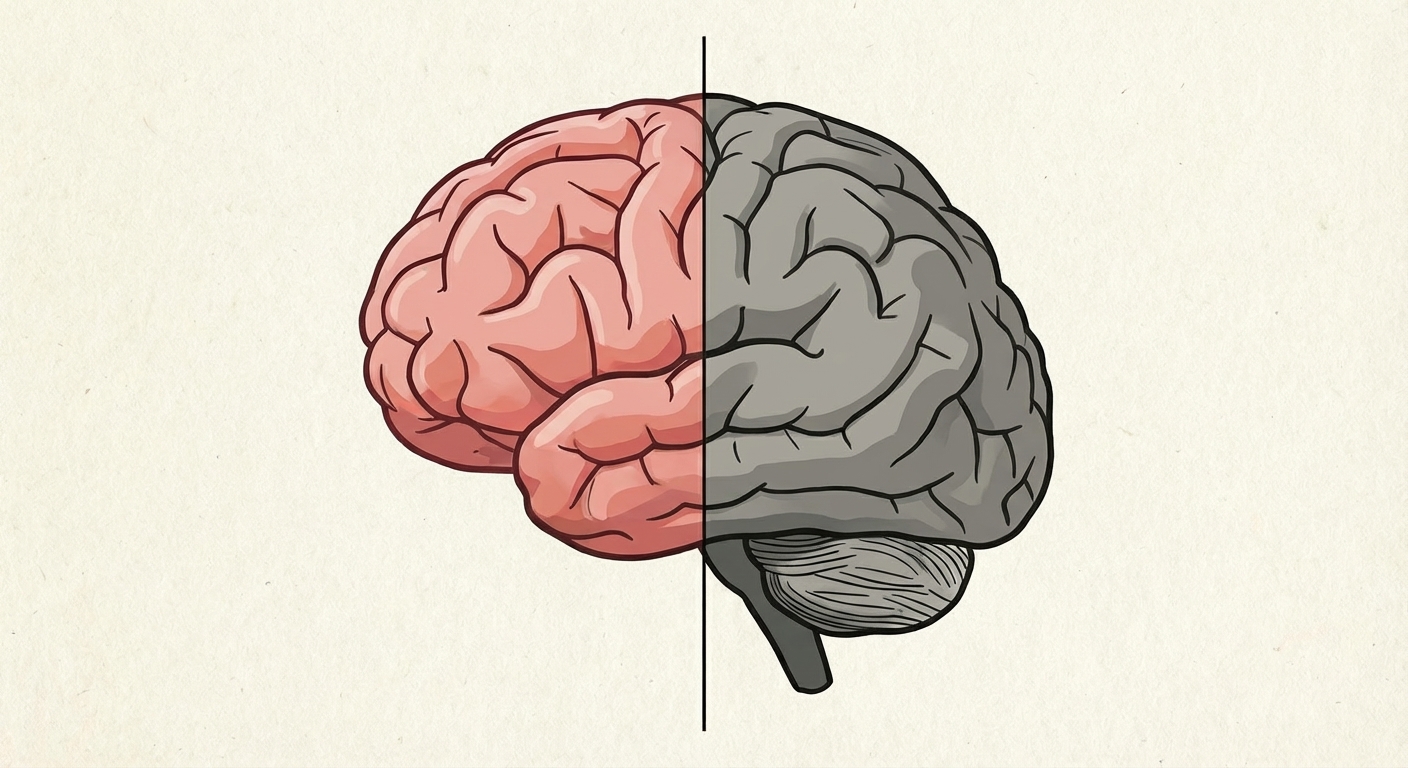
Our brains are hardwired to process negative information more intensely than positive data. A critique lands heavier and sticks longer than a compliment. It takes multiple positive interactions to “neutralize” the emotional weight of a single criticism. If you provide a 1:1 or 2:1 ratio, the net emotional impact on the employee is negative, triggering defensiveness rather than improvement.
2. Psychological Safety and the “Trust Bank”
Think of praise as a deposit and criticism as a withdrawal. High-performing teams build a massive “trust bank.” When a leader has a history of specific, genuine validation, the employee feels secure. When the leader eventually makes a withdrawal like “You missed the mark on this report”, the account doesn’t go into overdraft. The employee stays receptive because they know their value is recognized.
3. Specificity
The research notes that empty flattery doesn’t count. The high-performing teams didn’t just get cheerleaded; they used specific “inquiry” and “advocacy.” They said, “I agree with that idea because it solves X,” rather than a vague “Good job.”
A Universal Constant
This ratio shows up in other places, and is more of a universal constant. Researcher John Gottman found a nearly identical ratio when analyzing marriage stability. Couples who stayed together maintained a 5:1 positive-to-negative ratio during conflicts. Those who divorced averaged 0.77:1.
If you want a high-performing team, stop feeding them standard sandwiches. You need to look at your interactions over the long term (weeks to months) and ensure that for every slice of feedback you serve, you’re providing five or six slices of praise.
I was inspired to write this article by the HBR article, “The Ideal Praise-to-Criticism Ratio.”
You can read Marcial Losada and Emily Heaphy’s full research paper here.
Implementing the 5.6:1 ratio is essential for retaining top talent, but it’s useless if your hiring process filters out the A-Players before they even start. I can help you identify exactly where you are losing your best candidates.
I’ll Review Your Hiring Funnel for $1 →
Limited to 5 spots